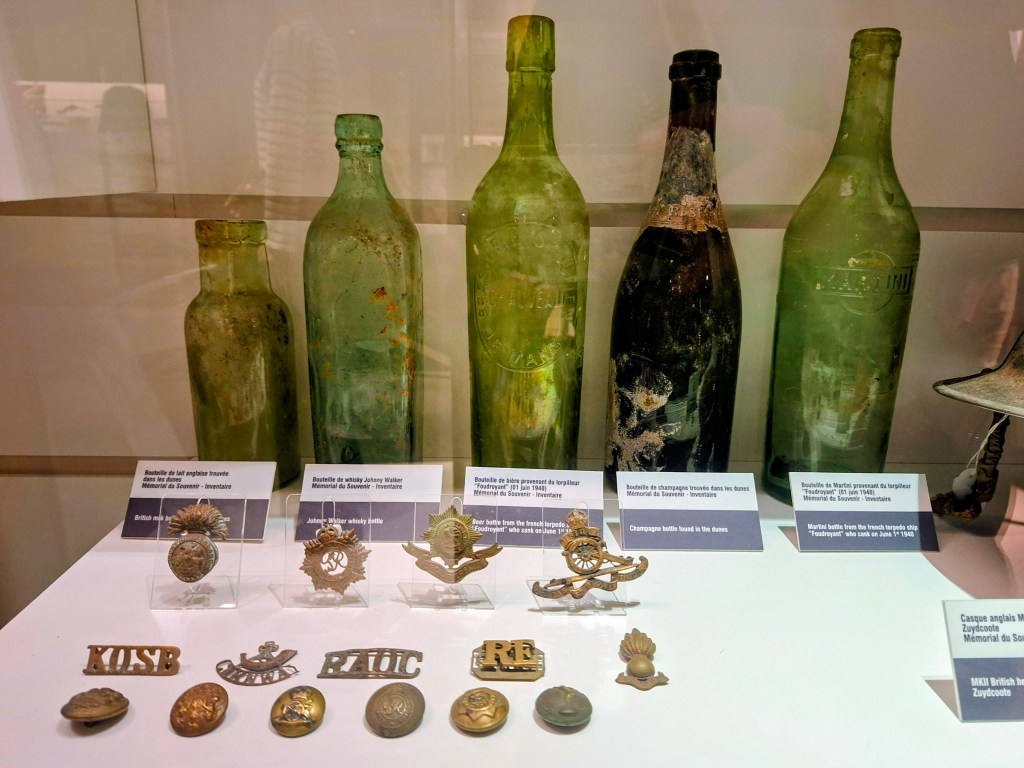
In the Dunkirk 1940 Museum, an impressive assortment of items reminds us of the exceptional escape of the soldiers defending their country against the invaders at that time—escaping over the sea to the solid ground of the United Kingdom.
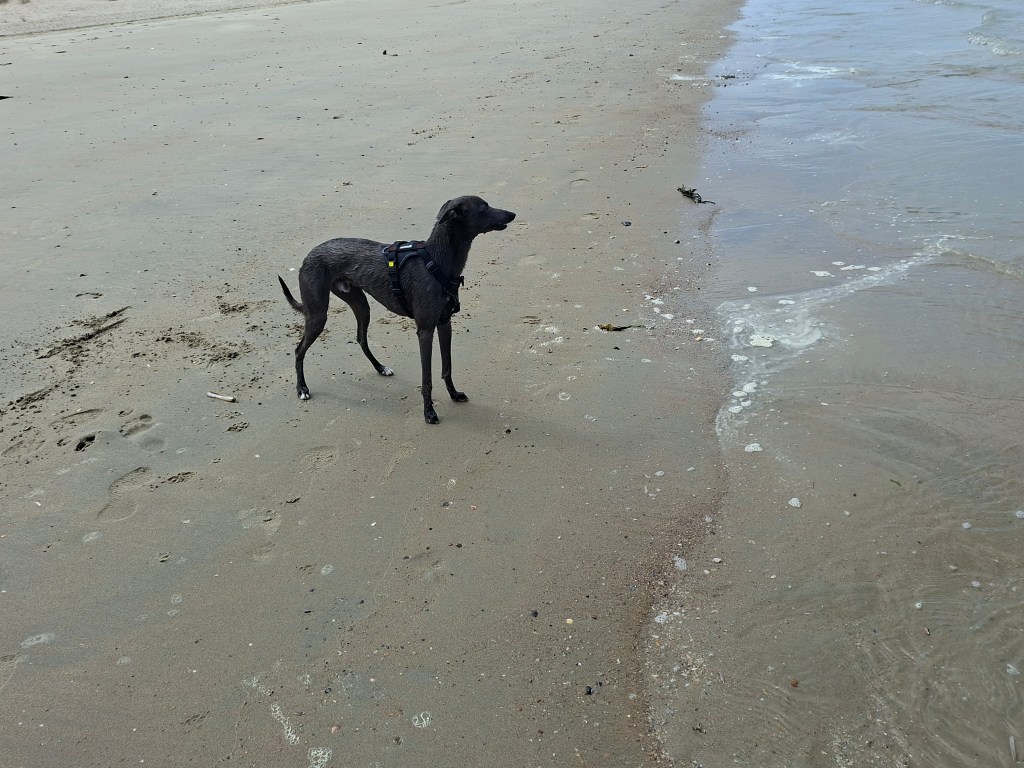
After visiting the museum, we wandered along Malo Beach and took a dip in the very same waters of the Channel that those brave soldiers crossed to save their lives.
After All This Time
Although the war ended 81 years ago, the scars of the events that happened during that time remain. Its influence spans generations, leaving its mark on our cultural identity, collective memory, and the conflicts we may encounter today.
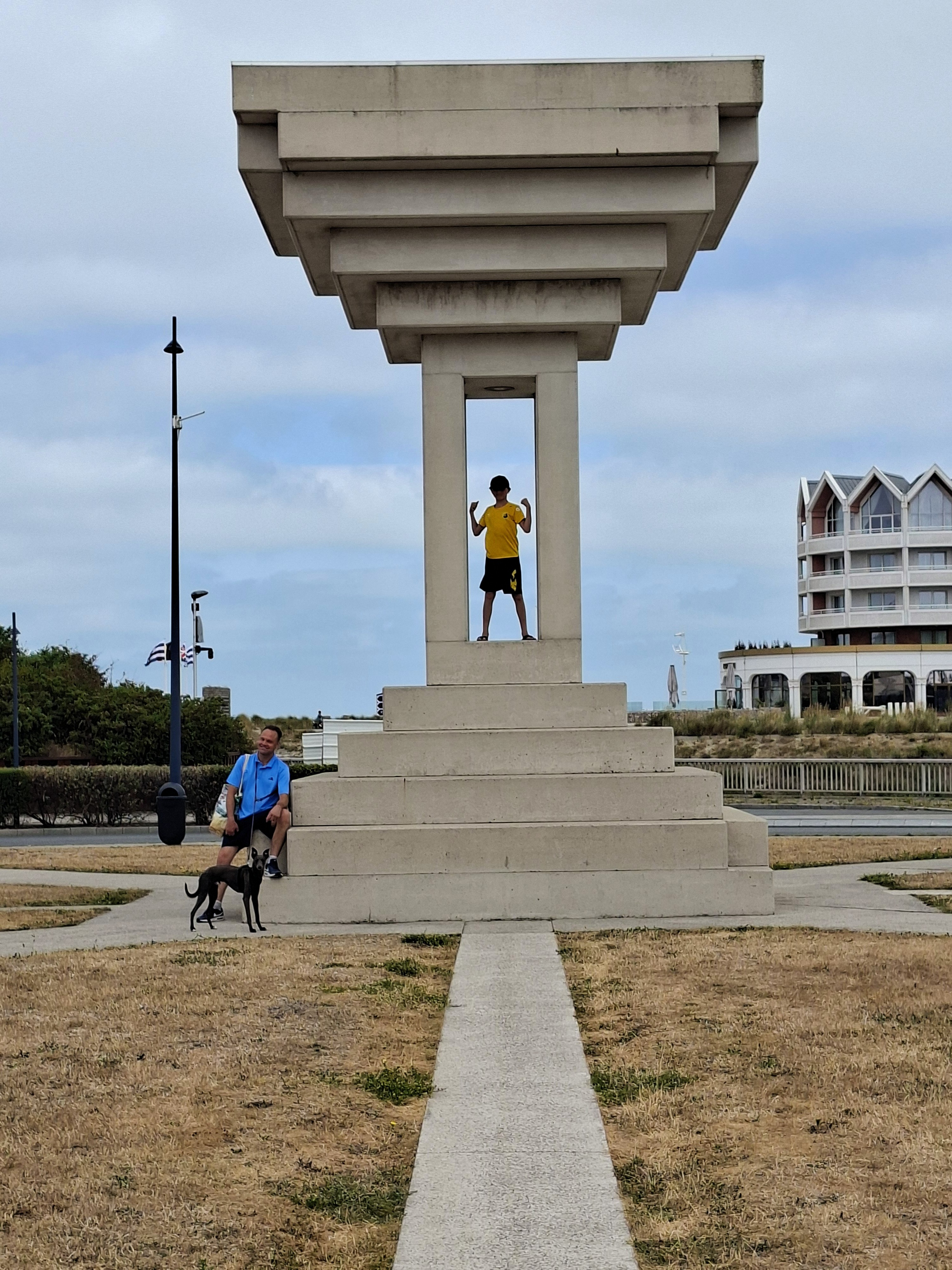
A Family Affair
In the Netherlands, we celebrate Bevrijdingsdag (Liberation Day) on May 5th. On this day, our country was liberated.
Unfortunately, exactly on this day—May 5th, 1975—our parents lost their firstborn son. On this day, we did not celebrate the end of the war; instead, we stood by his grave and grieved our loss.
As a matter of fact, this is a deeply rooted part of our personal history. On my father’s side of the family, two families were completely lost in the war—a total of eight people, including young children, due to the bombardment of our hometown. Consequently, these somber memories live on within our family to this very day.
Innovation Born from Adversity
Being here in Dunkirk, witnessing the historical place where the “Miracle of Dunkirk” unfolded, gives me goosebumps. It is a stark reminder of how the dark realities of wartime often become the unexpected catalysts for human resilience and ingenuity.
After all, as I have written before on my blog, it was during these exact dark years of the war that the curiosity of a genius trying to save patients with kidney failure ultimately ended up saving countless lives.
On the one hand, the war claimed so many lives and brought immense grief. On the other hand, the pressure of wartime crisis accelerated technological and medical developments that permanently transformed human health.
Let us hope that in today’s troubled world, we can take the time to heal old wounds, and instead invest in a better future to alleviate current suffering.
For more reflections on medical history and modern healthcare challenges, read my previous posts on medicine shortages and my visit to the Berlin Medical History Museum at the Charité. You can find more information about the exhibition at the official website of the Dunkirk 1940 Museum.
 caretobear.link
Plaats een reactie