Healthcare Policy vs. Pharmacy Practice
Healthcare policy and daily practice in the Dutch pharmacy: at times, they seem like two entirely different worlds.
Policy documents often feel abstract and distant, whereas the reality at the pharmacy counter is tangible, dynamic, and profoundly human. Yet, these two worlds are inextricably linked. It is precisely at their intersection that we find the key to better, person-centered care.
During the recent K.N.P.S.V. conference, we had the opportunity to bring these worlds together in an interactive workshop: ‘From European Policy to Practice: The Patient Perspective in the Pharmacy’. This was a highly valuable collaboration between Stichting (On)beperkt Vooruit! and Care to Bear.
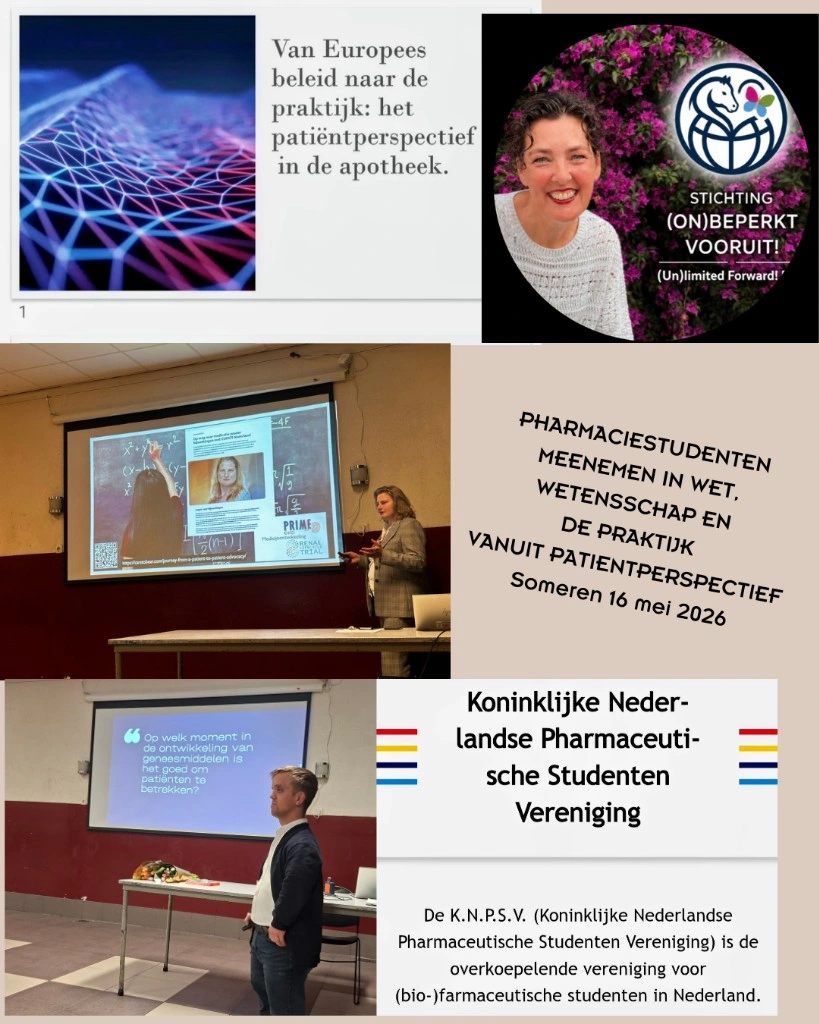
The Theory: Why Brussels Matters in the Dutch Pharmacy
This day kicked off with a solid foundation. Drawing on the expertise of Stichting (On)beperkt Vooruit!, the participants were guided through the fundamentals of Health Technology Assessment (HTA) and European decision-making. After all, European regulations increasingly dictate which innovative medicines enter the market and how access to care is shaped.
For future pharmacists, this knowledge is essential baggage. To understand why certain medications are—or aren’t—available to patients, particularly when dealing with complex challenges like multimorbidity and rare diseases, you must grasp the underlying decisions. Only then can you truly stand side-by-side with your patient as a healthcare provider.
The Person Behind the Prescription
As an EUPATI Fellow and mentee within the Beacon for Rare Diseases mentoring program, it was then my role to bridge the gap and share the patient’s perspective. Because what does policy actually mean for the individual standing at the counter with a prescription?
Together with the students, we made these abstract structures tangible, showing how they directly impact day-to-day pharmaceutical care. We reflected on three essential pillars:
- Access to appropriate care: Which signals matter most when assessing whether a medication (and its use) is genuinely appropriate? How do we ensure that innovative and orphan drugs actually reach the patient?
- Medication management and polypharmacy: Maintaining a clear overview and a sense of calm when a patient is facing a bewildering maze of different medications.
- Quality of life: Recognizing that a treatment should not only look effective on paper but must also fit into the patient’s daily life and personal harmony.
Future pharmacists are not merely ‘dispensers of medicine’; they are an indispensable link in care coordination and the trusted advocates who help patients navigate a complex healthcare system.
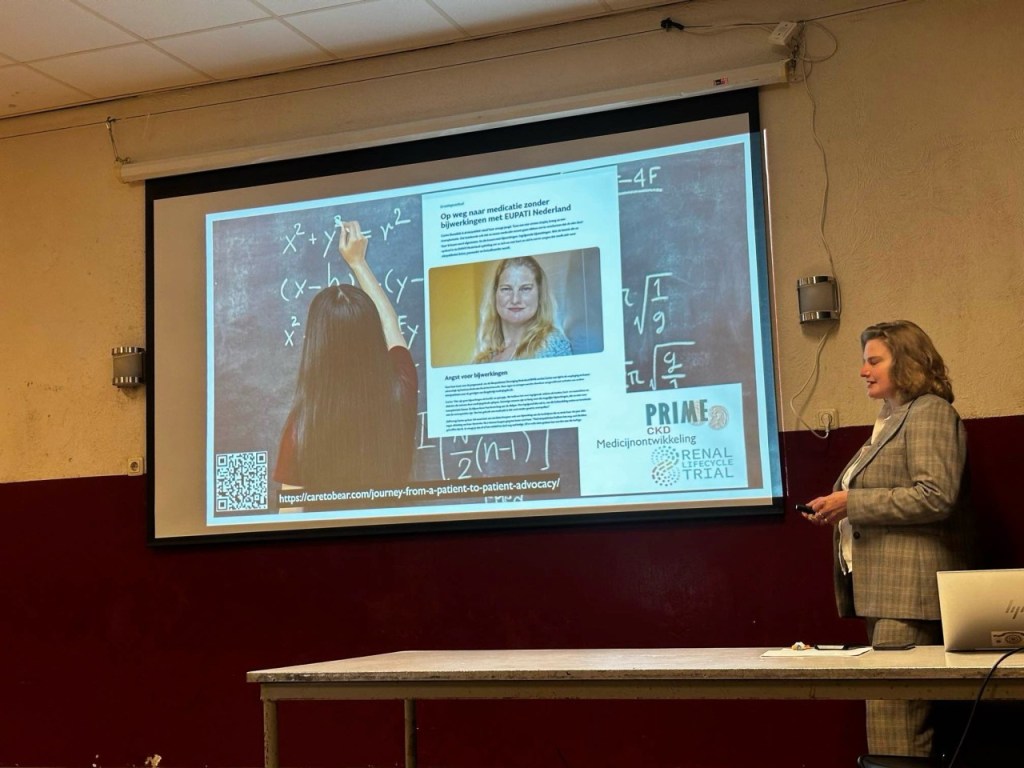
Curiosity helps us understand the science, but it is patience and genuine empathy that transform a pharmacist into a true partner in care.
Stronger Together in Healthcare
An extra valuable element of the afternoon was the presence of fellow patient advocate Thibault Krommenhoek from the Belangenvereniging van Kleine Mensen (the Dutch Association of Little People) in the audience. Together with Thomas Broekhoff from HollandBio, they reinforced the overarching theme of the afternoon: patient advocates should not be sidelined. They belong at the table, actively participating in education, policy, and healthcare development. From the very beginning, they should be active partners in research.
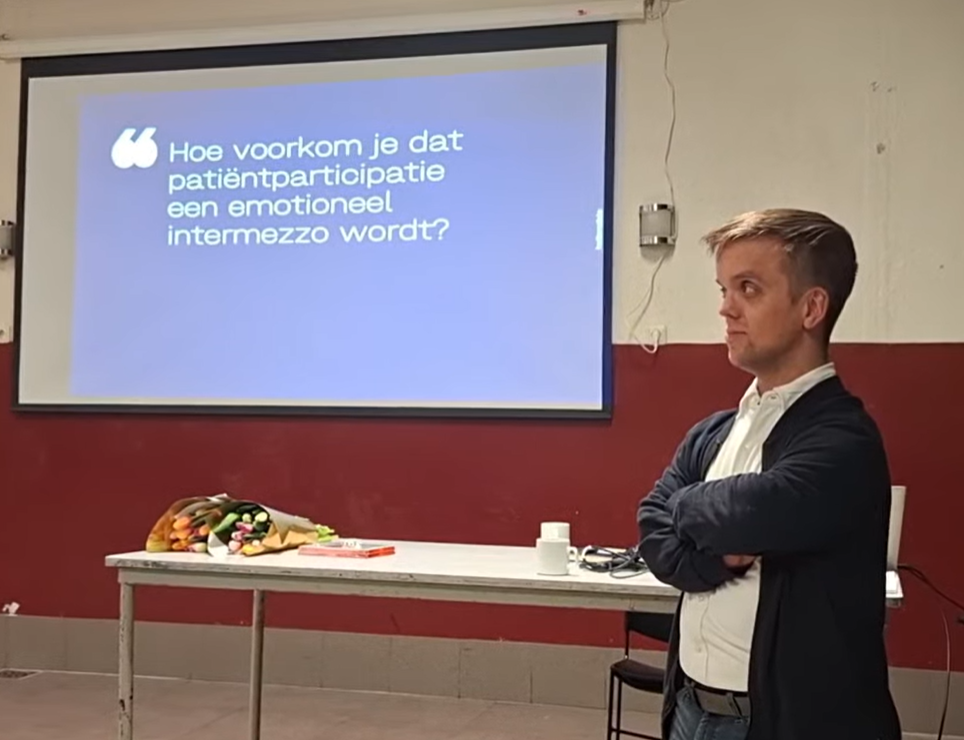
We look back on an inspiring session with a new generation of pharmacists—students who demonstrated that they don’t just care about the chemistry behind the medicine, but about the human being taking it
Curious about Care to Bear’s journey to developing the patient perspective within the Rare Beacon project, led by Diana Kwast-Hoekstra, MScN, RN President and Founder of (Un)limited Forward! Foundation?
Feel free to get in touch or follow our updates at Lighting the Signal: My Journey with the Rare Beacon Project
 caretobear.link
Plaats een reactie