caretobear.link

Share the weight, show the way! Better care for chronic patients

  • Silent Witness

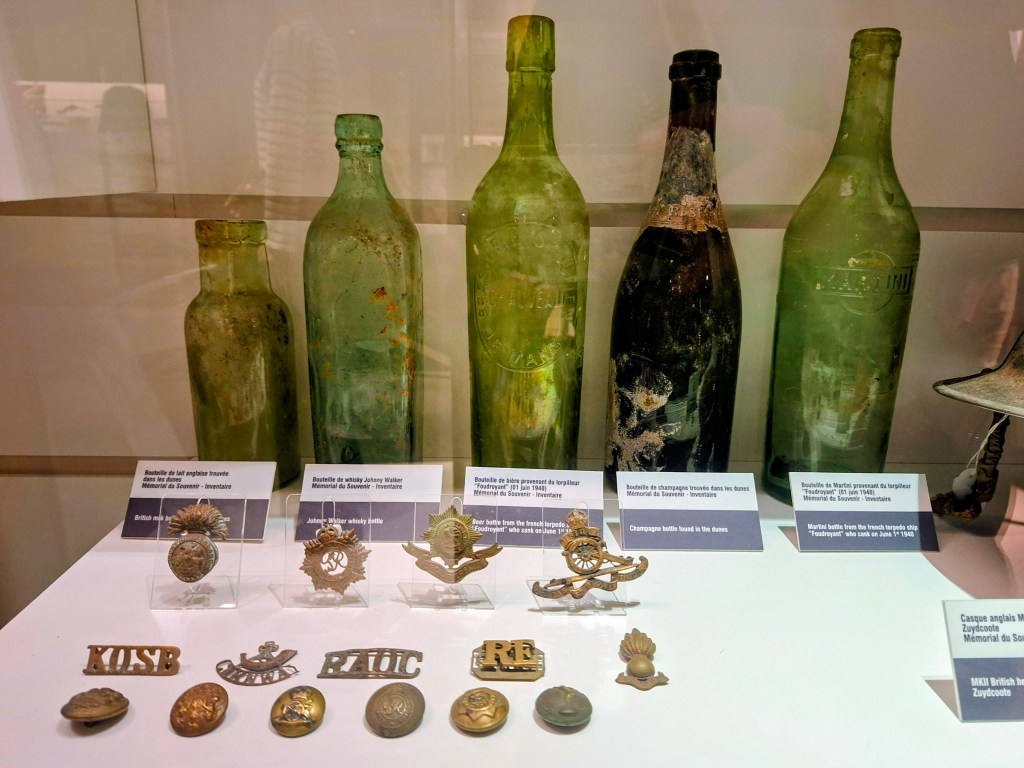
    In the Dunkirk 1940 Museum, an impressive assortment of items reminds us of the exceptional escape of the soldiers defending their country against the invaders at that time—escaping over the sea to the solid ground of the United Kingdom.

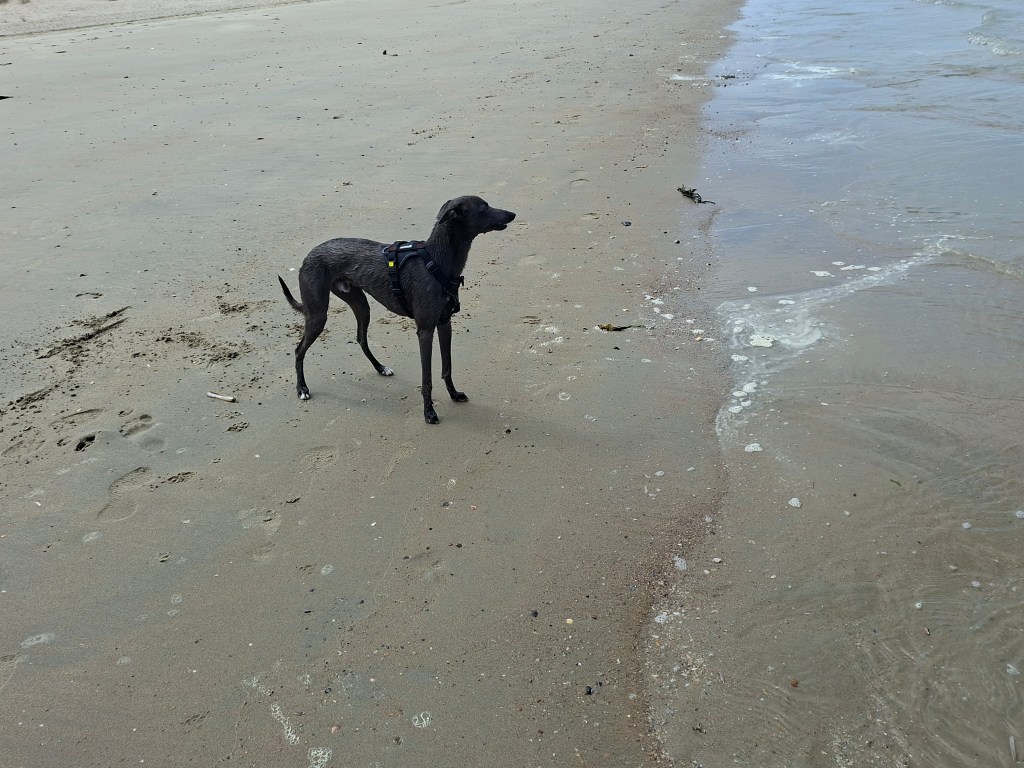
    ​After visiting the museum, we wandered along Malo Beach and took a dip in the very same waters of the Channel that those brave soldiers crossed to save their lives.

    ​After All This Time

    ​Although the war ended 81 years ago, the scars of the events that happened during that time remain. Its influence spans generations, leaving its mark on our cultural identity, collective memory, and the conflicts we may encounter today.

    ​A Family Affair

    ​In the Netherlands, we celebrate Bevrijdingsdag (Liberation Day) on May 5th. On this day, our country was liberated.

    ​Unfortunately, exactly on this day—May 5th, 1975—our parents lost their firstborn son. On this day, we did not celebrate the end of the war; instead, we stood by his grave and grieved our loss.

    ​As a matter of fact, this is a deeply rooted part of our personal history. On my father’s side of the family, two families were completely lost in the war—a total of eight people, including young children, due to the bombardment of our hometown. Consequently, these somber memories live on within our family to this very day.

    ​Innovation Born from Adversity

    ​Being here in Dunkirk, witnessing the historical place where the “Miracle of Dunkirk” unfolded, gives me goosebumps. It is a stark reminder of how the dark realities of wartime often become the unexpected catalysts for human resilience and ingenuity.

    ​After all, as I have written before on my blog, it was during these exact dark years of the war that the curiosity of a genius trying to save patients with kidney failure ultimately ended up saving countless lives.

    ​On the one hand, the war claimed so many lives and brought immense grief. On the other hand, the pressure of wartime crisis accelerated technological and medical developments that permanently transformed human health.

    ​Let us hope that in today’s troubled world, we can take the time to heal old wounds, and instead invest in a better future to alleviate current suffering.

    For more reflections on medical history and modern healthcare challenges, read my previous posts on medicine shortages and my visit to the Berlin Medical History Museum at the Charité. You can find more information about the exhibition at the official website of the Dunkirk 1940 Museum.

  • 2026 European Tranplant Games: Celebration of Resilience
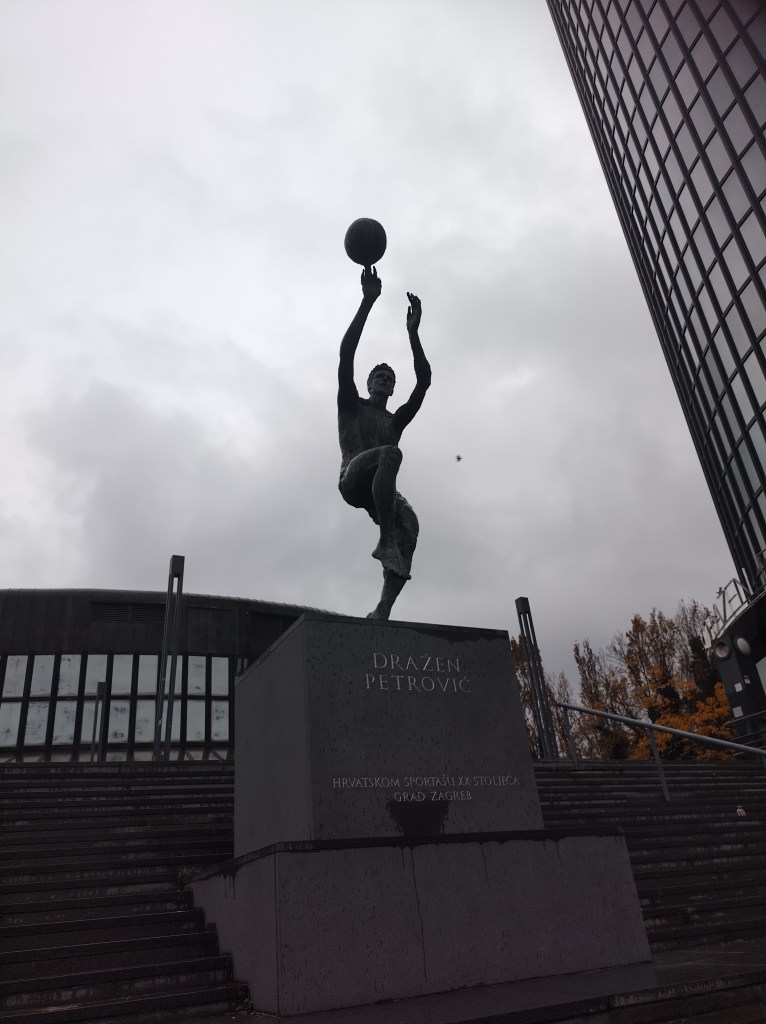
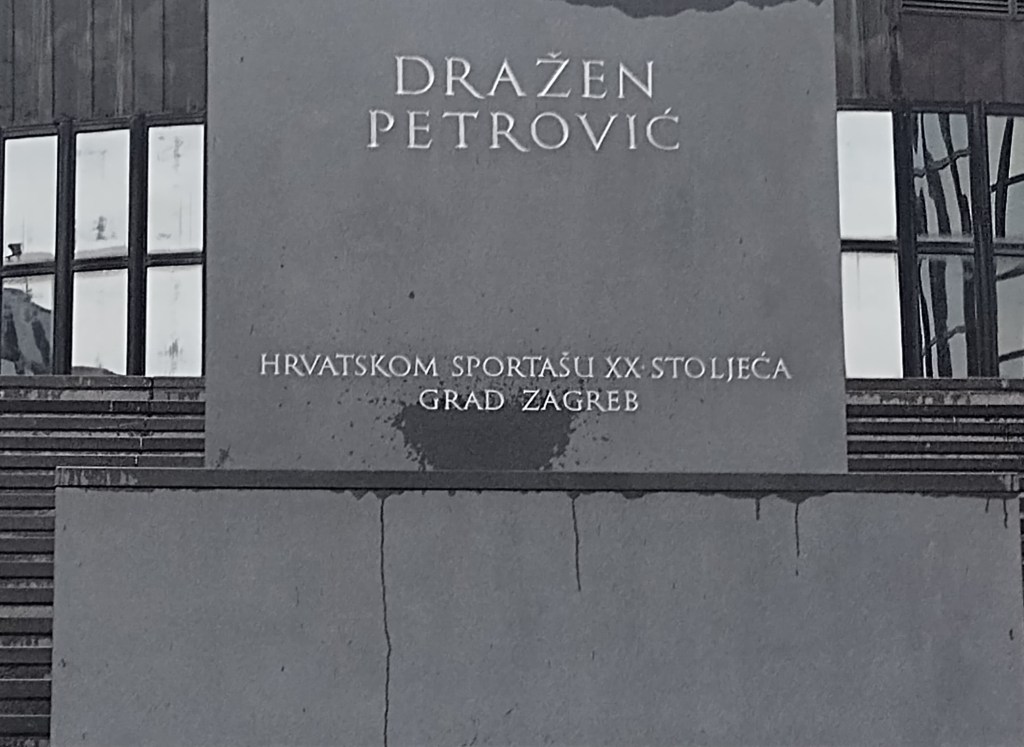
    Dražen Petrović, (22 October 1964 – 7 June 1993) was a Yugoslav and Croatian professional basketball player. A shooting guard, he initially achieved success playing professional basketball in Europe in the 1980s with Cibona and Real Madrid before joining the National Basketball Association (NBA) in 1989.

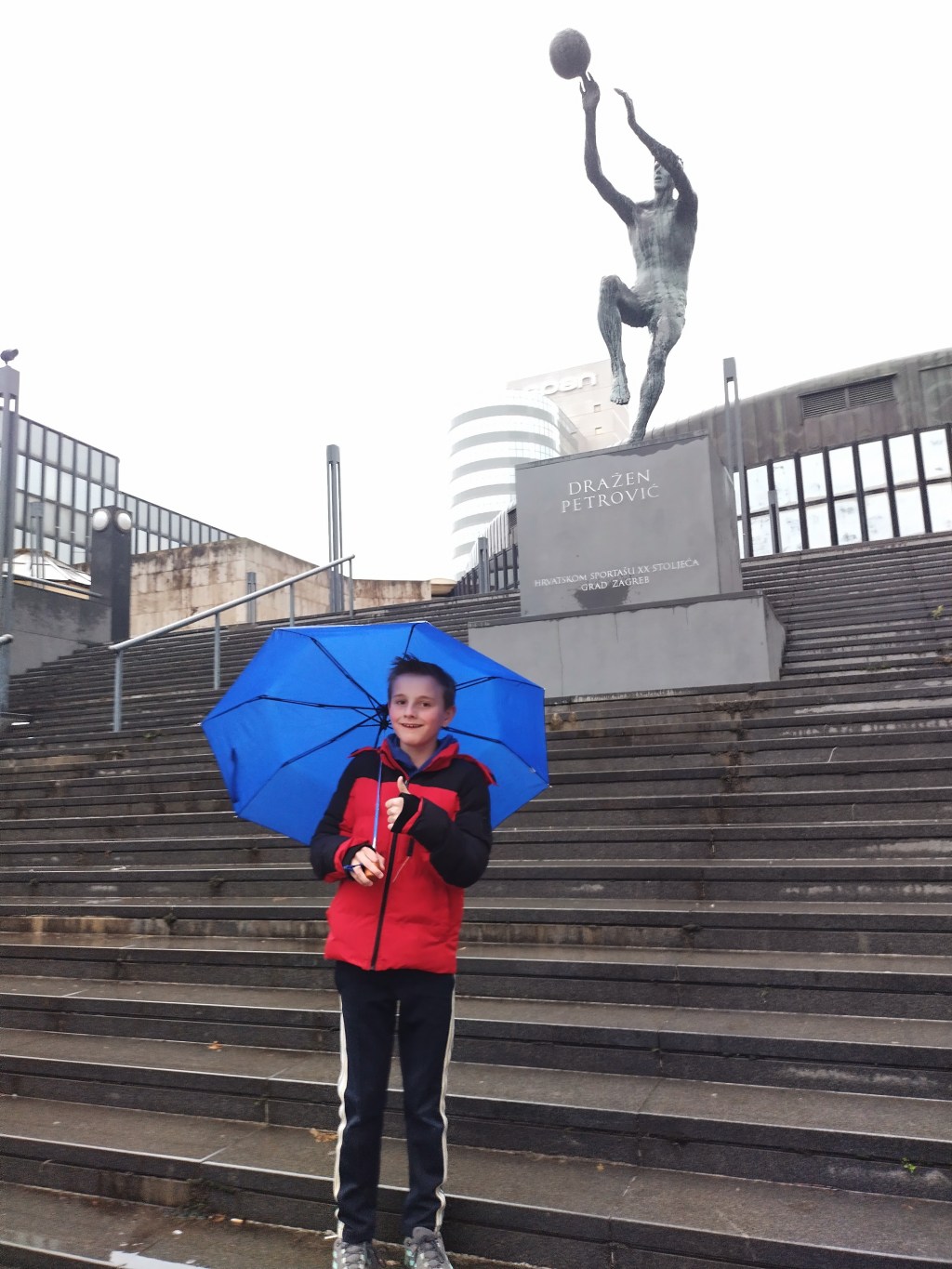
    In the middle of the city of Zagreb, we stumble upon this immense tableau. A statue of a basketball player, with the name Dražen Petrović. It turns out that we encountered the Dražen Petrović Memorial Center.

    In spite of obstacles brought on by health issues, we traveled to this city to consider our future aspirations as a family, particularly for me as a patient (representative) to overcome these challenges and make 2026 a sporting year. It looks like a coincidence that left us inspired.

    “Sports is the common denominator in the world that brings everyone together. If there’s any one place in the world where there is equality, it is probably sports.” – Stephen M. Ross

    Let’s stop and pause for one short moment of self-pity. I actually felt left behind as a child, not because I was in the hospital often—I had friends and school there as well. You actually have to do your homework while on dialysis or when you are admitted to the hospital. There was one thing that I could not keep up with my peers. It was doing sports. When trying to run for 100 meters, I would be exhausted. Equality is a beautiful word; however, first you need to be able to join the team.

    Even after a transplant, a new kidney, and a new life, it is a challenge to get (back) on track. In this (Dutch-written) blog, ‘Je bent jong, dat kun je zelf wel!’ several patients’ experiences describe the effort it takes and what setbacks get in the way. Fortunately, help is on its way!

    Peter van Maurik, actively involved with Transfit, is the empowering frontman of Transfit. He is a Marine man with a mission.

    TransFit is a nationwide sports community for organ and stem cell transplant recipients. It promotes an active, healthy lifestyle after transplantation through guided training, events, and a supportive community. The goal: becoming stronger together after transplantation.

    (See the original article on & press the translate button right at the top of the screen): ‘Achievements that no one thought were ever possible again’

    Peter took up swimming in the fall of 2016, a year after his heart transplant, as a way to celebrate his renewed life and honor his donor. At the 2017 World Transplant Games in Málaga he became world champion in the 50m breaststroke, also earning silver medals in the 50m and 100m backstroke and the 50m freestyle. One year later, in Cagliari, he claimed the European title in the 50m backstroke. He went on to become world champion in both the 50m and 100m backstroke at the 2019 Games in Newcastle/Gateshead, and in 2023 he added three more gold medals at the World Transplant Games in Perth—including a world record in the 50m breaststroke.

    Transfit took up the idea to organize the European Transplant Games 2026 in the Netherlands. And next weekend, the time has arrived! On Sunday, 2026, the European Transplant Games will start in Arnhem.

    In 2026, the Netherlands will be the host country for the European Transplant Games. The municipality of Arnhem will host organ and stem cell transplant recipients and people undergoing dialysis from all over Europe from June 21 to June 27. [More info and countdown on: https://etg2026.nl/]

    Message to the world

    The message is shaped by survival, gratitude, and the extraordinary power of second chances. After receiving a life‑saving organ transplant, the athletes chose not only to rebuild their lives but also to honor the donors by pushing the limits of what is possible. As Peter himself stands as living proof that hope is stronger than fear, that resilience can be trained like a muscle, and that gratitude can become a lifelong mission.

    Back to my story, there is really no excuse anymore to feel sorry for myself. It is time for me to make up for what I missed in my youth—a quiet promise to myself that it’s never too late to reclaim joy, strength, and possibility.

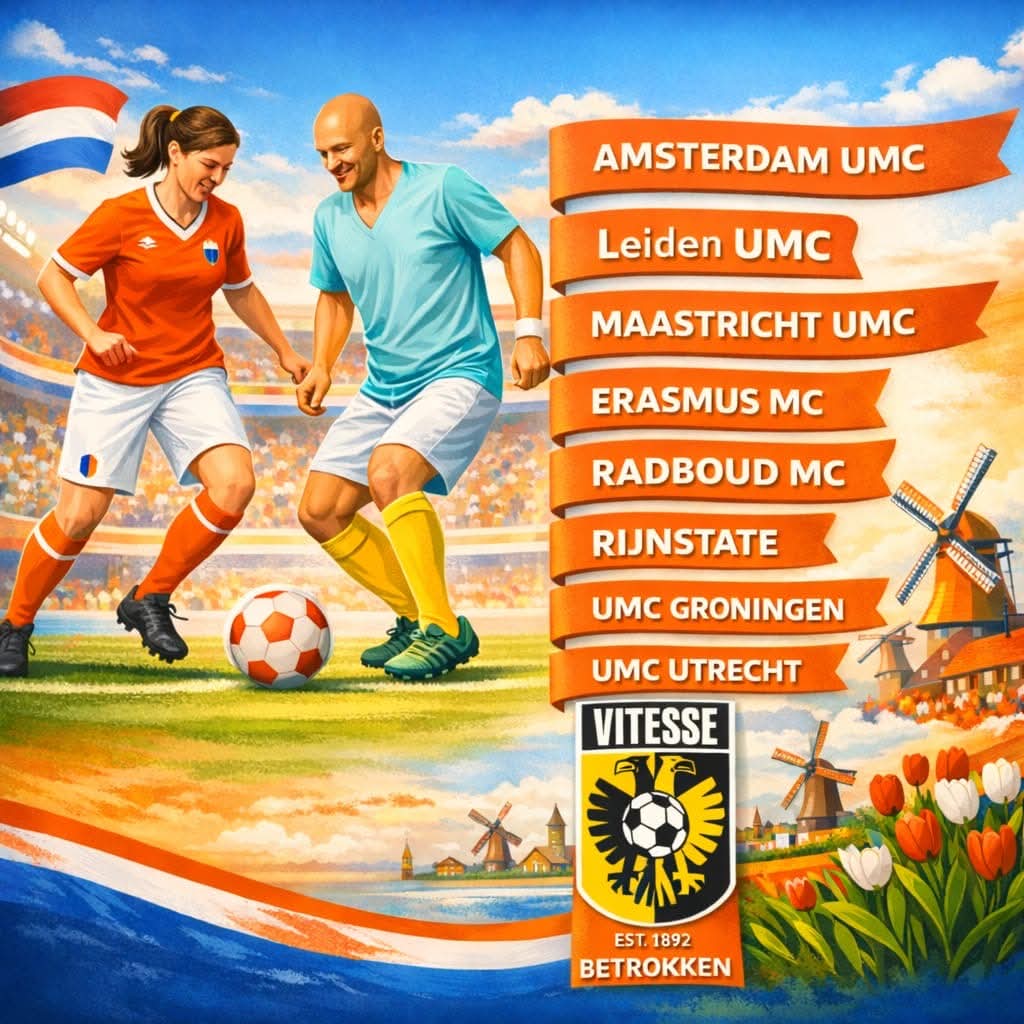
    Vitesse kicks off the Transplant Football Tournament at 12:30 PM. In total, eight teams will compete in two groups for the coveted first place. [https://etg2026.nl/platform/transplantatie-voetbaltoernooi/]

    Media:

    Aflevering Omroep Gelderland

  • Omdat voorkomen beter is dan genezen; onnodig ziek zijn is nooit leuk. Daarom doe ik mee aan de campagne http://www.sameninfectieveilig.nl van Samenwerking Infectieziekten, een initiatief van patiënten, zorgprofessionals en de gezondheidsfondsen. Jij ook?

    Campagne vraagt aandacht voor groeiende dreiging infecties

    Inspirerende speech van Dr. Tedros Adhanom Ghebreyesus Director-General – World Health Organization (WHO):

    Klik op de link om de video op Instagram te zien en delen: WORLD.HEALTH ORGANIZATION

    Lees ook de blogs over:

    ​De boer op voor een gezonde toekomst: waarom voorkomen beter is dan genezen

    Handige links:

    Infectieziekten – Samenwerking Infectieziekten

    World Health Organization (WHO)

  • Healthcare Policy vs. Pharmacy Practice

    Healthcare policy and daily practice in the Dutch pharmacy: at times, they seem like two entirely different worlds.

    Policy documents often feel abstract and distant, whereas the reality at the pharmacy counter is tangible, dynamic, and profoundly human. Yet, these two worlds are inextricably linked. It is precisely at their intersection that we find the key to better, person-centered care.

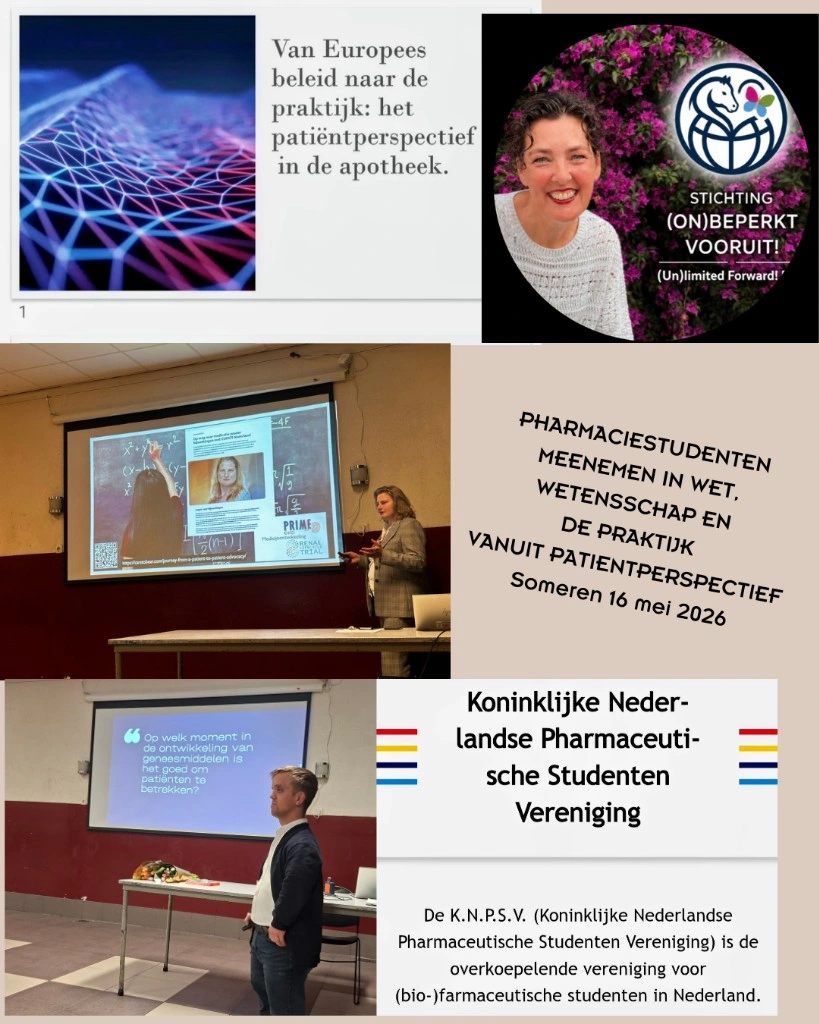
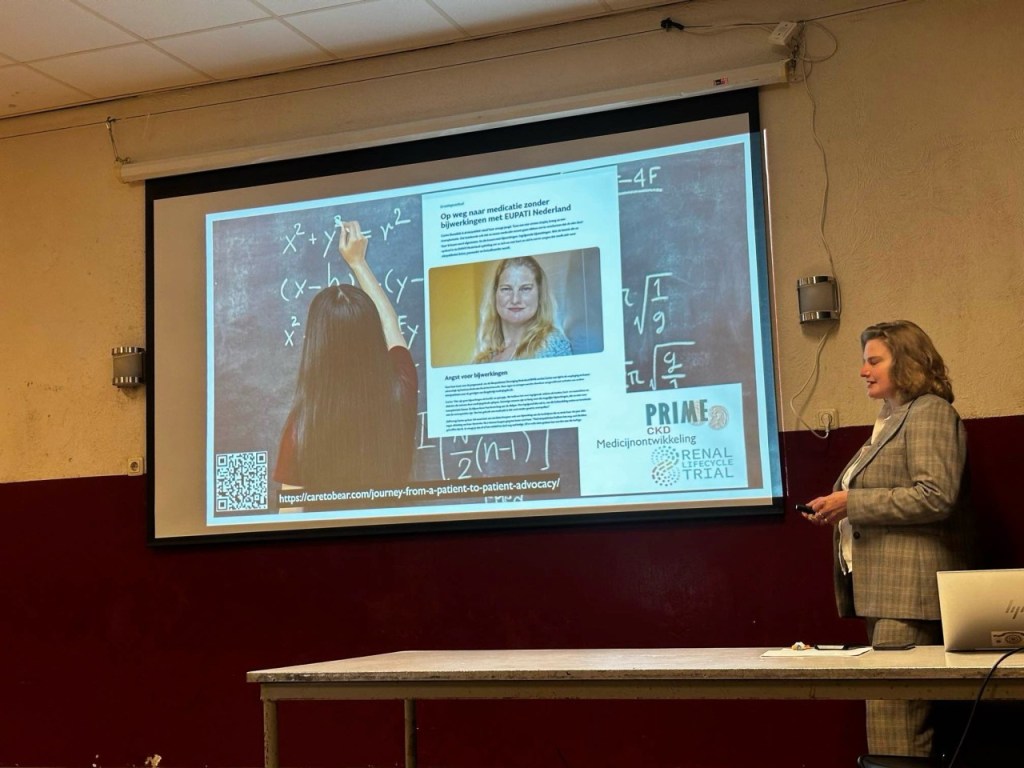
    During the recent K.N.P.S.V. conference, we had the opportunity to bring these worlds together in an interactive workshop: ‘From European Policy to Practice: The Patient Perspective in the Pharmacy’. This was a highly valuable collaboration between Stichting (On)beperkt Vooruit! and Care to Bear.

    The Theory: Why Brussels Matters in the Dutch Pharmacy

    This day kicked off with a solid foundation. Drawing on the expertise of Stichting (On)beperkt Vooruit!, the participants were guided through the fundamentals of Health Technology Assessment (HTA) and European decision-making. After all, European regulations increasingly dictate which innovative medicines enter the market and how access to care is shaped.

    For future pharmacists, this knowledge is essential baggage. To understand why certain medications are—or aren’t—available to patients, particularly when dealing with complex challenges like multimorbidity and rare diseases, you must grasp the underlying decisions. Only then can you truly stand side-by-side with your patient as a healthcare provider.

    The Person Behind the Prescription

    As an EUPATI Fellow and mentee within the Beacon for Rare Diseases mentoring program, it was then my role to bridge the gap and share the patient’s perspective. Because what does policy actually mean for the individual standing at the counter with a prescription?

    Together with the students, we made these abstract structures tangible, showing how they directly impact day-to-day pharmaceutical care. We reflected on three essential pillars:

    • Access to appropriate care: Which signals matter most when assessing whether a medication (and its use) is genuinely appropriate? How do we ensure that innovative and orphan drugs actually reach the patient?
    • Medication management and polypharmacy: Maintaining a clear overview and a sense of calm when a patient is facing a bewildering maze of different medications.
    • Quality of life: Recognizing that a treatment should not only look effective on paper but must also fit into the patient’s daily life and personal harmony.

    Future pharmacists are not merely ‘dispensers of medicine’; they are an indispensable link in care coordination and the trusted advocates who help patients navigate a complex healthcare system.

    Curiosity helps us understand the science, but it is patience and genuine empathy that transform a pharmacist into a true partner in care.

    Stronger Together in Healthcare

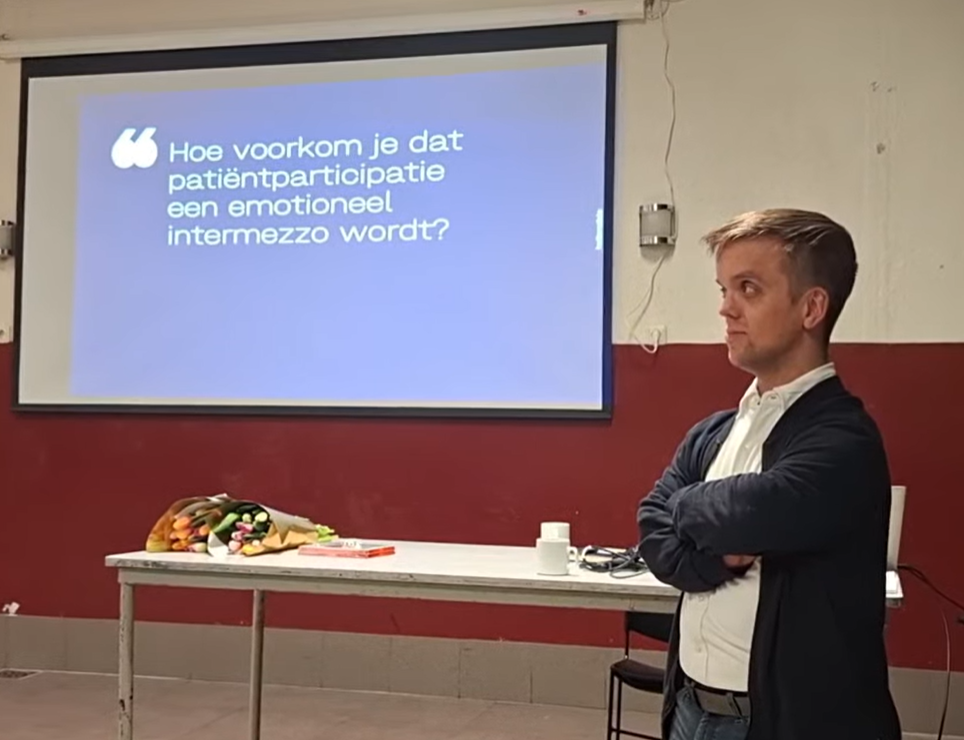
    An extra valuable element of the afternoon was the presence of fellow patient advocate Thibault Krommenhoek from the Belangenvereniging van Kleine Mensen (the Dutch Association of Little People) in the audience. Together with Thomas Broekhoff from HollandBio, they reinforced the overarching theme of the afternoon: patient advocates should not be sidelined. They belong at the table, actively participating in education, policy, and healthcare development. From the very beginning, they should be active partners in research.

    We look back on an inspiring session with a new generation of pharmacists—students who demonstrated that they don’t just care about the chemistry behind the medicine, but about the human being taking it

    Curious about Care to Bear’s journey to developing the patient perspective within the Rare Beacon project, led by Diana Kwast-Hoekstra, MScN, RN President and Founder of (Un)limited Forward! Foundation?

    Feel free to get in touch or follow our updates at Lighting the Signal: My Journey with the Rare Beacon Project

  • Zorgbeleid en de dagelijkse praktijk in de Nederlandse apotheek: het lijken soms twee verschillende werelden. Beleidsteksten voelen abstract en ver weg, terwijl de realiteit aan de apothekersbalie tastbaar, dynamisch en menselijk is. Toch zijn die twee onlosmakelijk met elkaar verbonden. Juist op het snijvlak daarvan ligt de sleutel tot betere, op de mens gerichte zorg.
    Tijdens het recente K.N.P.S.V. congres kregen wij de kans om deze werelden samen te brengen in een interactieve workshop: ‘Van Europees beleid naar de praktijk: het patiëntperspectief in de apotheek’. Een waardevolle samenwerking tussen Stichting (On)beperkt Vooruit! en Care to Bear.

    De Theorie: Waarom Brussel Ertoe Doet in de Nederlandse Apotheek

    De middag ging van start met een stevig fundament. Vanuit de expertise van Stichting (On)beperkt Vooruit! werden de deelnemers meegenomen in de basis van Health Technology Assessment (HTA) en Europese besluitvorming. Europese richtlijnen bepalen immers in toenemende mate welke innovatieve geneesmiddelen de markt betreden en hoe de toegang tot zorg wordt vormgegeven.

    Voor toekomstige apothekers is dit cruciale bagage. Om te begrijpen waarom bepaalde medicatie wel of niet beschikbaar is voor patiënten—en dan met name bij complexe uitdagingen zoals multimorbiditeit en zeldzame aandoeningen—moet je de achterliggende keuzes begrijpen. Pas dan kun je als zorgverlener écht naast je patiënt staan.

    De Mens Achter het Recept

    Als EUPATI Fellow en mentee binnen het Beacon for Rare Diseases mentoring programma, was het vervolgens mijn rol om de vertaalslag te maken naar het verhaal van de patiënt. Want wat betekent het beleid concreet voor de persoon die met een recept aan de balie staat?
    Samen met de studenten hebben we tastbaar gemaakt hoe deze structuren direct van invloed zijn op de dagelijkse farmaceutische zorg. We stonden stil bij drie essentiële pijlers:

    • Toegang tot passende zorg: Welke signalen zijn van belang als het gaat om te beoordelen of het medicijn(gebruk) passend is? Hoe zorgen we dat innovatieve en weesgeneesmiddelen ook daadwerkelijk de patiënt bereiken?
    • Medicatiebegeleiding en Polyfarmacie: Het bewaren van het overzicht en de rust wanneer een patiënt te maken heeft met een wirwar aan verschillende medicijnen.
    • Kwaliteit van leven: Het besef dat een behandeling niet alleen effectief moet zijn op papier, maar moet passen binnen het dagelijks leven en de persoonlijke harmonie van de patiënt.

    Toekomstige apothekers zijn niet slechts ‘medicijnverstrekkers’; zij zijn een onmisbare schakel in de zorgcoördinatie en de vertrouwenspersoon die de patiënt helpt navigeren door een complex landschap.

    Casuïstiek van de patiënt

    “Nieuwsgierigheid helpt ons de wetenschap te begrijpen, maar het zijn geduld en oprechte empathie die van een apotheker een echte zorgpartner maken.”

    Samen Sterker in de Zorg

    Een extra waardevol element van de middag was de aanwezigheid van collega-patiëntvertegenwoordiger Thibault Krommenhoek van de Belangenvereniging van Kleine Mensen in de zaal. Samen met Thomas Broekhoff van HollandBio werd nogmaals het overkoepelende doel van deze middag onderstreept: patiëntvertegenwoordigers horen niet in de zijlijn te staan. Zij horen actief deel te nemen aan onderwijs, beleid en zorgontwikkeling. Zij horen vanaf het allereerste begin actief deel te nemen aan onderzoek.


    We kijken terug op een inspirerende sessie met een nieuwe generatie apothekers. Studenten die lieten zien dat ze niet alleen oog hebben voor de chemie achter de medicijnen, maar juist voor de mens die ze inneemt.

    Het belang van de inbreng van patiëntvertegenwoordigers in medicijn onderzoek


    Benieuwd naar de inzet van Care to Bear voor het ontwikkelen van het patiëntperspectief binnen het Rare Beacon project onder leiding van Diana Kwast- Hoekstra van Stichting (On)beperkt vooruit? Neem gerust contact op of volg de ontwikkelingen via caretobear.com.

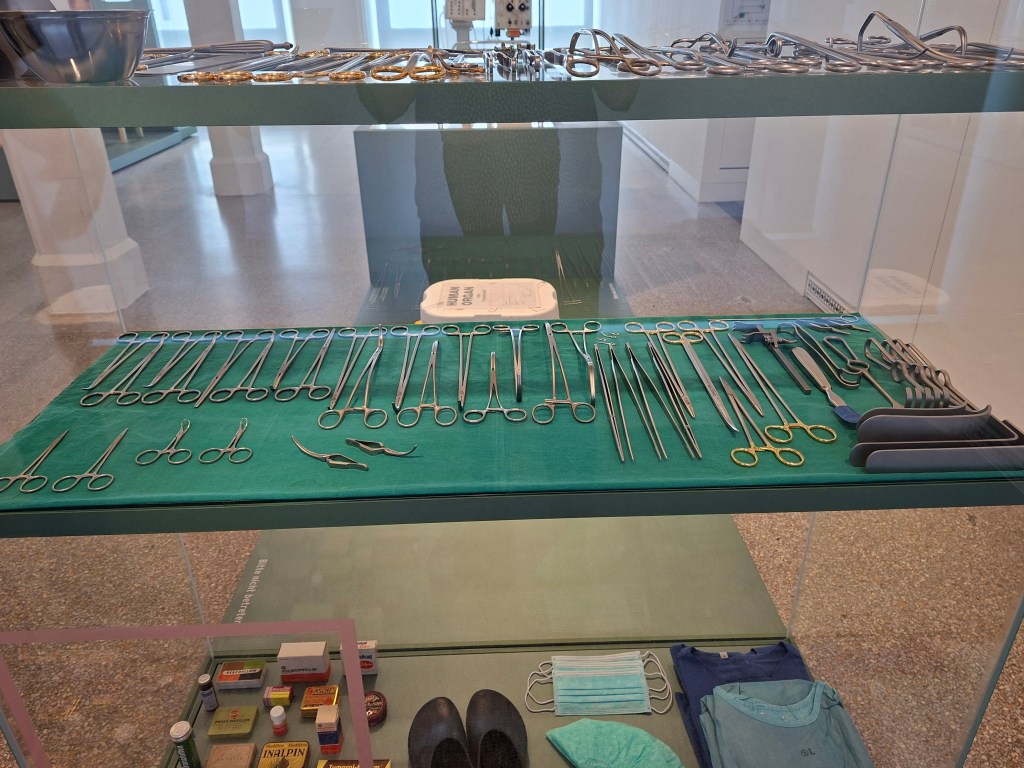
  • Berliner Medizinhistorisches Museum der Charité

    Afgelopen maand bezocht ik Berlijn met de trein. Het hoofddoel van deze reis was een bezoek aan het Berliner Medizinhistorisches Museum der Charité. Tien jaar eerder bezocht ik dit museum en was er een fantastische tentoonstelling over de ontwikkeling van de Westerse medische wetenschap. Van de stand van de sterren en slangengif als medicijn tot aderlating als behandeling. We have come a long way since then.

    Met ruim 17.000 stappen op de teller doorkruiste ik met mijn gezin de stad om oog in oog te staan met de tastbare geschiedenis van onze gezondheidszorg.

    Terwijl ik daar tussen de historische collecties liep, werd ik gegrepen door de enorme sprongen die we als mensheid hebben gemaakt. Letterlijk in stappen, maar vooral figuurlijk in de medische wetenschap.​

    Nierzorg

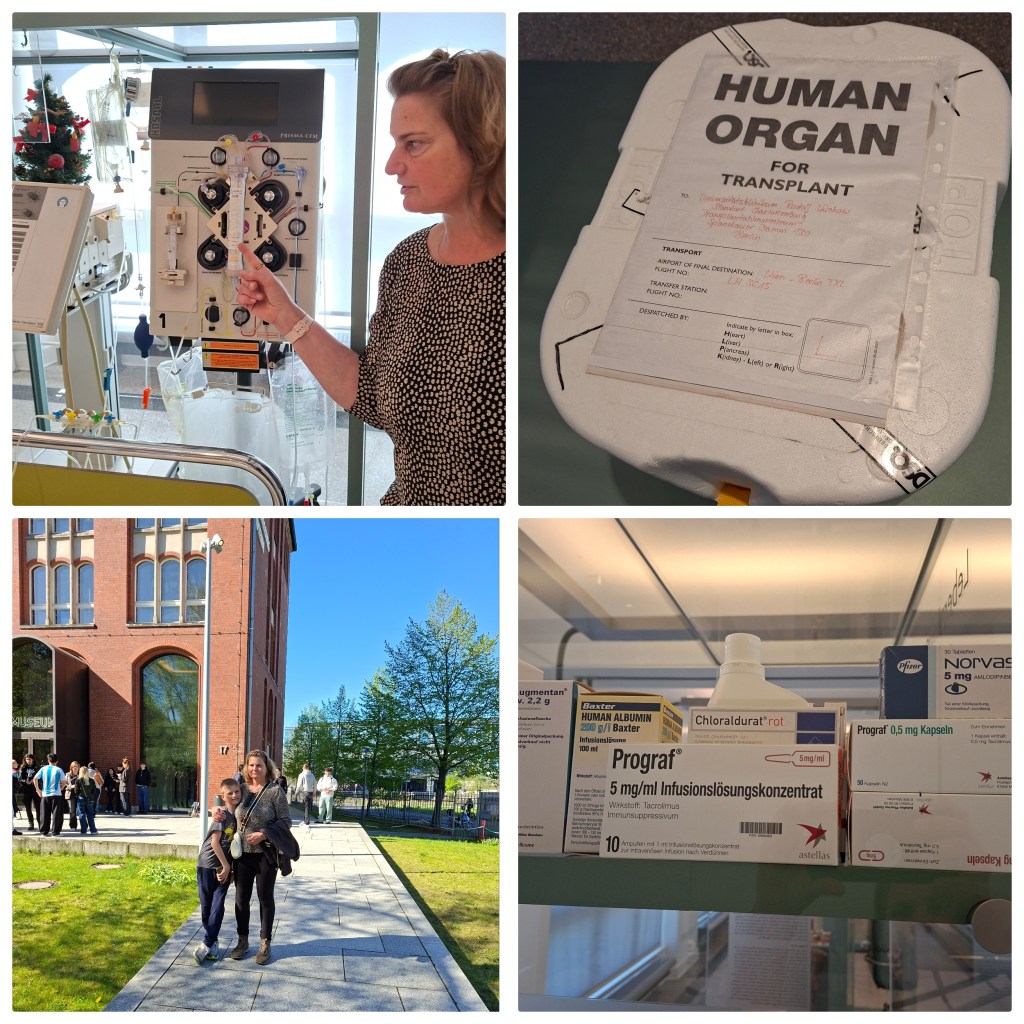
    De geschiedenis van de gezondheidszorg is er een van menselijke vindingrijkheid.​ Een dialysemachine met de kunstnier, waarbij de kunstnier zelf de eenvoudig uitziende, cilindervormige filter is waardoor de afvalstoffen uit het bloed worden verwijderd. Deze uitvinding van Nederlandse bodem heeft enorm veel mensenlevens gered.. En stond eveneens tentoongesteld in het medische museum

    Aangetaste nieren.

    Het museum toont onder meer ook hoe nieren eruitzien wanneer ze door ziekte zijn aangetast Cyste nieren van 11,5 kilo per stuk! Een nier met in de filters een geheel witte aanslag van eiwitten. Bizar! Allerlei andere organen worden tentoongesteld, in gezonde staat en ongezonde staat. Wanneer je deze verschijnselen bij elkaar ziet, besef je hoezeer het een wonder is dat je als mens gezond geboren mag worden en zijn.

    De Pioniers: De Kunst van het Overleven

    De tentoonstelling in hallen van het museum in Berlijn herinnert aan de rauwe beginjaren van de zorg voor zieke mensen. En de stad Berlijn zelf herinnert aan de verschrikkingen en gevolgen van de 2e Wereldoorlog. Juist in die tijd, midden in de chaos van de oorlog, werd in Nederland de basis voor de moderne dialyse gelegd. In 1943 ontwikkelde Prof. Dr. Willem Kolff de eerste kunstnier. De eerste “kunstnier” werd letterlijk bijeengesprokkeld. Kolff gebruikte aluminium van een neergestort gevechtsvliegtuig voor de trommel, een koelsysteem van een oude Ford T en zelfs worstenvelletjes als membraan. Het was innovatie uit pure noodzaak en pure moed

    Dialyse, de kunstnier.
Orgaantransplantatie
Medicijnen tegen afstoting
In het Berliner Medizinhistorisches Museum der Charité

    De fakkel werd daarna overgenomen door de chirurgie.

    De 1e succesvolle niertransplantatie vond plaats op 23 december 1954 in Boston, Verenigde Staten, uitgevoerd door chirurg Joseph Murray. Na de wereldprimeur in Boston in 1954 duurde het niet lang voordat deze expertise ook de oceaan overstak. Een trots moment voor de Nederlandse geneeskunde volgde in 1966, toen in het Leids Universitair Medisch Centrum (LUMC) de allereerste Nederlandse niertransplantatie met succes werd uitgevoerd. Het was de start van een nieuw tijdperk in eigen land, waarbij de focus verschoof naar het structureel verlengen en verbeteren van levens.​

    De Stille Revolutie: Preventie en Vroege Diagnose

    Vandaag de dag, dwalend door een medisch museum, is de hoop dat we aan de vooravond van een nieuwe verschuiving staan. Waar de vorige eeuw in het teken stond van het vervangen van nierfunctie, richt deze eeuw zich op het behouden ervan.

    We verplaatsen de focus van de operatiekamer naar de vroege diagnostiek en de voortdurende ontwikkeling van medicijnen.

    • Preventie: Door slimme interventies kunnen we nierfalen steeds vaker voorblijven in plaats van het alleen te behandelen. Meer informatie daarover vind je op de website van de Nierstichting.
    • Vroege Diagnose: Vooral bij zeldzame ziekten (#raredisease) telt elke dag. Hoe eerder we weten wat er speelt, hoe groter de kans op behoud van levenskwaliteit. Het komende jaar ga ik me als Eupati Fellow via het Rare Beacon project o.l.v mentor Diana Kwast Hoekstra verdiepen in vroege diagnose bij de zeldzame nierziekte.

    .​De Toekomst is Hoopvol

    Mijn reis naar Berlijn was niet alleen een blik in het verleden, maar ook een reflectie op de toekomst. Medische vooruitgang draait uiteindelijk om de zoektocht naar harmonie tussen lichaam, geest en wetenschap. We bewegen van een reactieve wereld naar een proactieve wereld.​ De weg die we hebben afgelegd — van de houten trommel van Kolff en de eerste ingreep in Leiden naar de precisiegeneeskunde van nu — geeft een onwankelbaar vertrouwen in wat nog komen gaat.​

    Life will only get better! 🎈​#nefrologie #medischegeschiedenis #LUMC #Charité #preventie #earlydiagnosis #raredisease #berlijn #gezondheidszorg

    Wil je meer weten over dit museum? Of over Prof. Dr.Kolff en zijn uitvinding? Kijk dan op de websites:

    Berliner Medizinhistorisches Museum der Charité

    Rijksmuseum Boerhaave

  • Finding focus in the arena: How a horse named Carmen defined the future of kidney care

    “Great things are done by a series of small things brought together.” —Vincent van Gogh

    As I began defining a SMART goal for the Rare Beacon Patient Group Mentoring Programme 2026-2027, I found myself at a crossroads. My ambitions as a mentee for the rare kidney disease community are vast, but as any advocate knows, to lead effectively, you must first find your “North Star.”

    To find that clarity, I stepped away from the data and into the arena.

    The Power of Horse Coaching

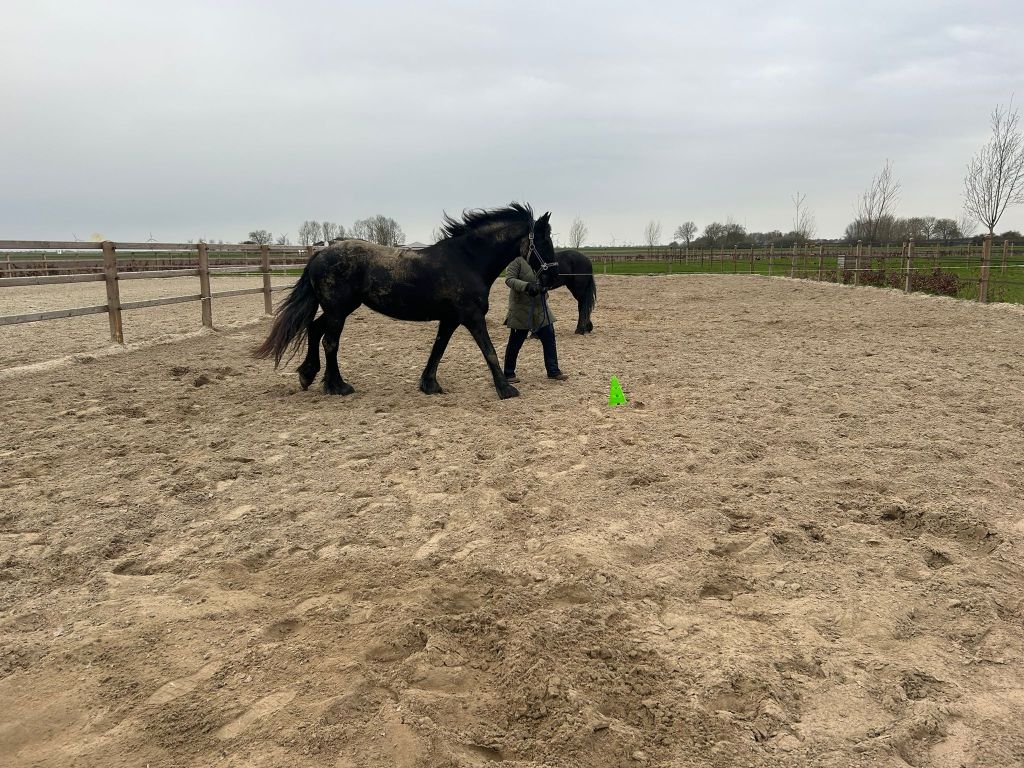
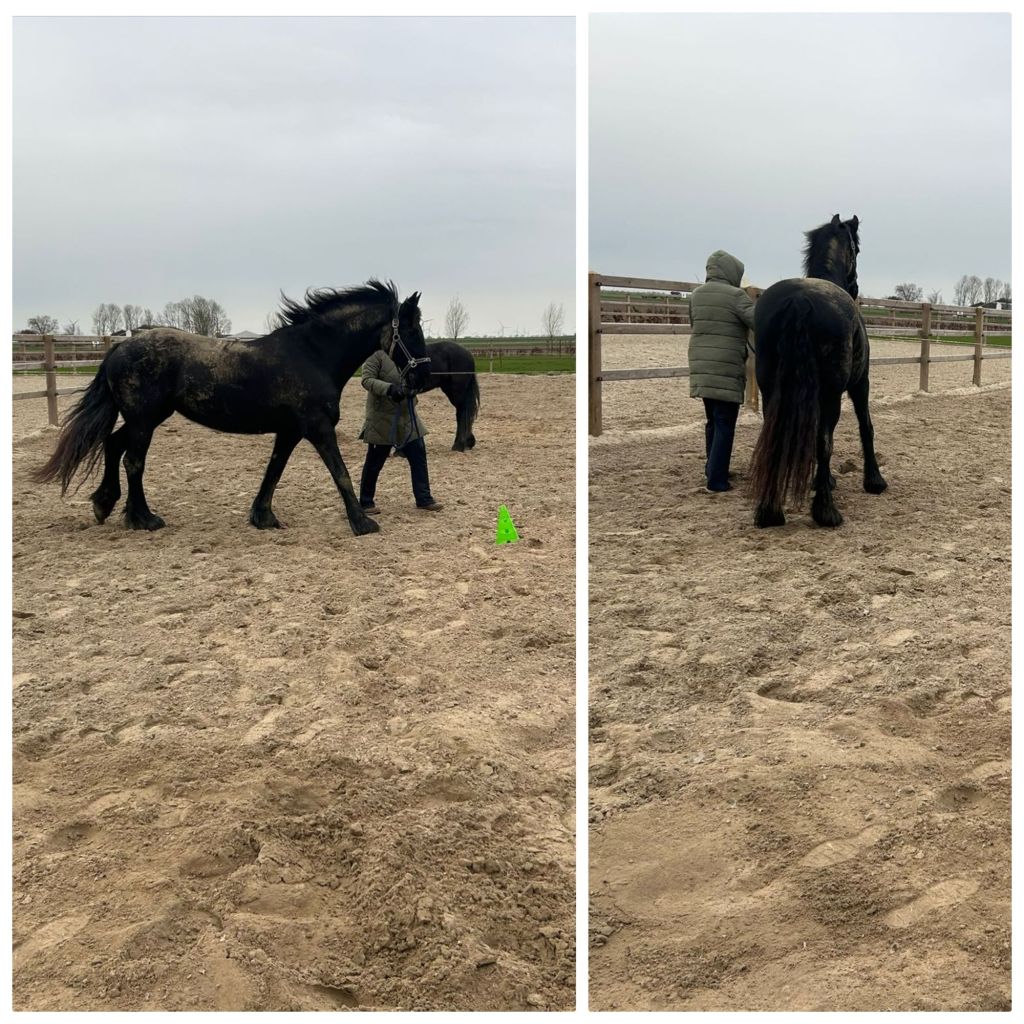
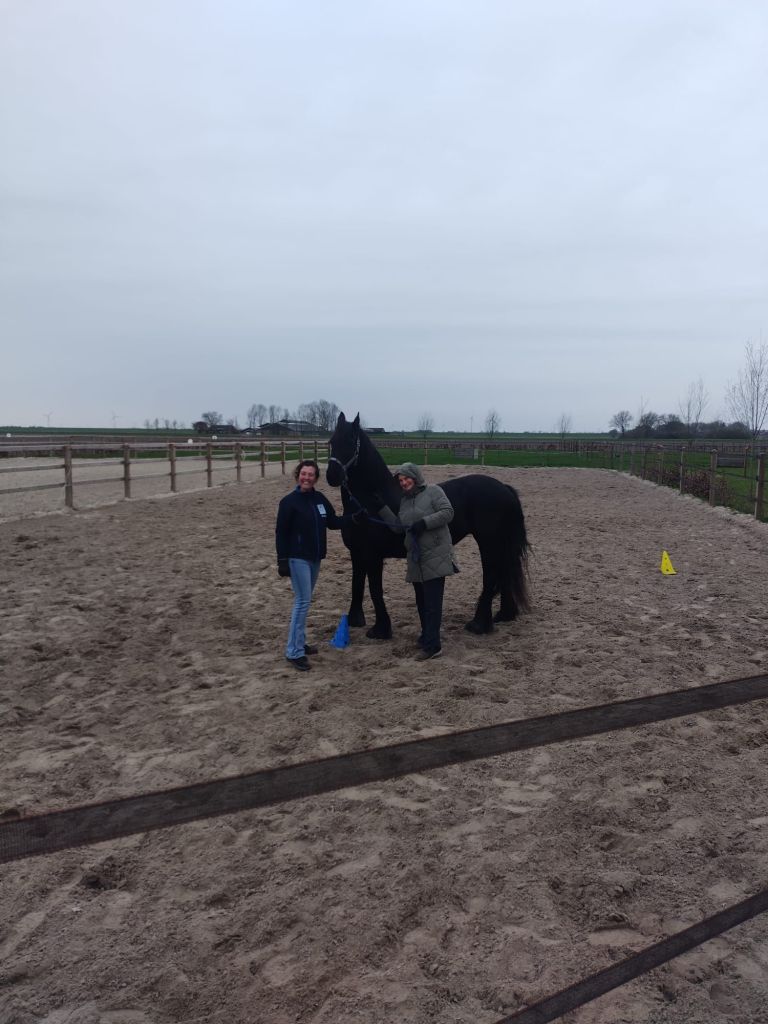
    Guided by my mentor, Diana, I participated in a horse coaching session that proved to be an incredibly grounding and transformative experience. Standing alongside Carmen, a magnificent black horse, I felt an immediate, raw respect for the strength of nature.

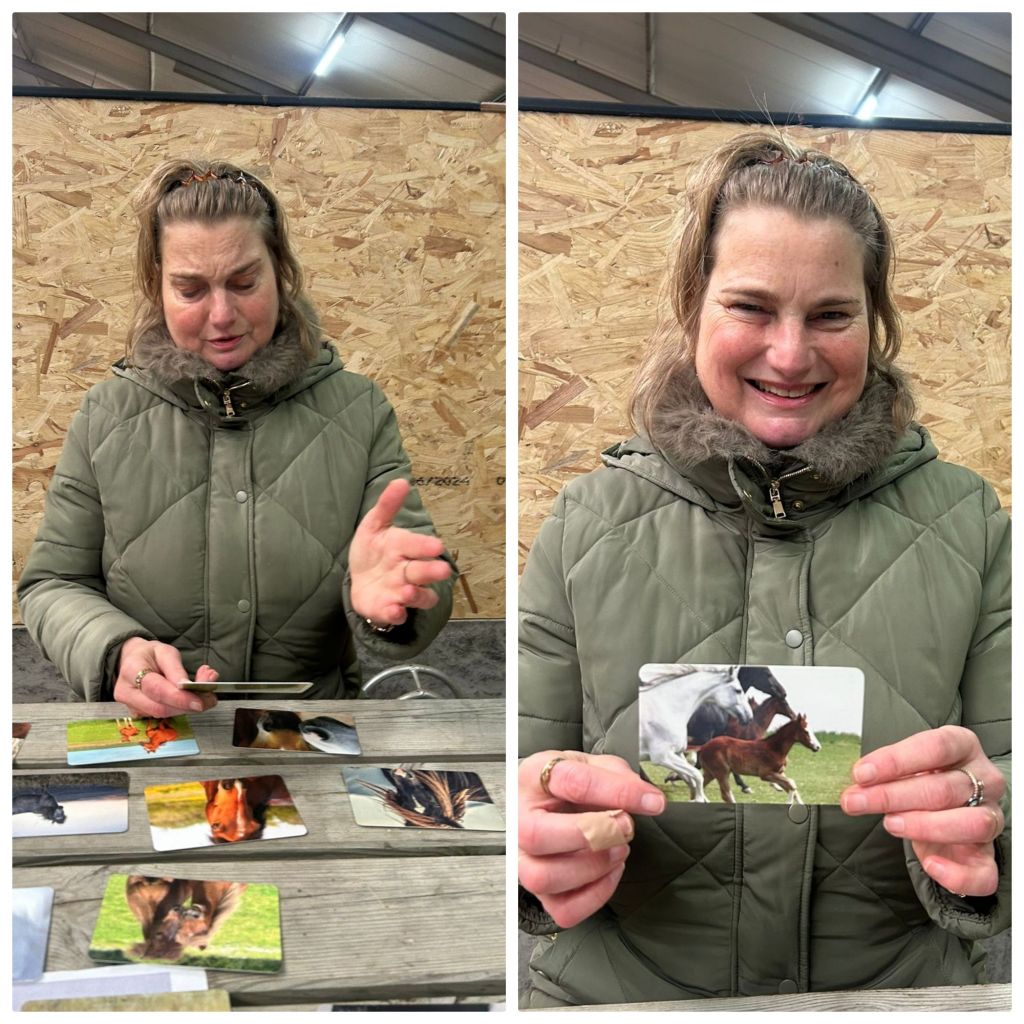
    Horses don’t care about your titles or your to-do lists; they respond to your authentic presence. During an intuitive “pick a card” practice, I chose an image of a herd of horses—different sizes and colors—all running in one direction. 

    Moving forward together.

    In that moment of stillness with Carmen, the “building blocks” of my vision for the next two years finally unfolded.

    From “Managing a Disease” to “Living a Life

    For patients with rare kidney disease, medical milestones like dialysis and transplantation have been absolute game-changers. They moved us from a terminal diagnosis to one of survival.

    But as a patient representative, I see the hidden “medical tax” these patients pay: the grueling routine of dialysis, and after a kidney transplant the constant vulnerability to infection and the heavy side effects of immunosuppressants. Standing in that arena, it became clear: our mission isn’t just to help patients survive—it is to help them thrive.

    The Strategic Building Blocks

    By honoring the “power of the herd,” I’ve identified four essential pillars to guide our mentoring program:

    • Empowering Self-Management: Strengthening patients’ own direction so they lead their care journey with confidence.
    • Improving Access to Appropriate Care: Ensuring that high-quality, specialized treatment is a right, not a privilege.
    • Prioritizing Prevention & Early Diagnosis: The ultimate goal is to stabilize kidney function before it deteriorates. Every successful journey begins with the right diagnosis.
    • Connecting Innovation to Impact: Bridging the gap between breakthroughs like precision medicine & innovations of new medicine and the real-world benefits for patients in their daily lives.

    Moving Forward Together

    Just as a herd finds its strength in unity, we are moving toward a future where “Quality of Life” is the primary measure of success. The road to prevention is long, but as I learned from Carmen, it requires both quiet strength and a clear direction.

    With these building blocks in place, we are no longer just reacting to a disease—we are running toward a future where patients can live their lives to the fullest.

    Thanks to dear Carmen, a beautiful black horse forces a sense of respect for the strength of nature upon you, all the subjects in mind unfolded.

    Would you like to learn more about horse training sessions? Check this website: Stichting (On)Beperkt vooruit!

    Special thanks to Diana Kwast-Hoekstra MScN.RN for facilitating this horse-coaching session, which proved to be a truly powerful and inspiring experience.

    Diana, Carmen and me at the horse coaching training, March 2026.
  • 12 Maart World Kidney Day

    Ieder jaar op 12 Maart is het World Kidney Day!
    Lees mijn blog uit 2019 over World Kidney Day op ZorgkaartNederland: World Kidney Day: niet met een korreltje zout nemen.

    Nog steeds start ik iedere dag met een shake à la Sydney

    Clip made by @Leksico

    WorldKidneyDay20Years World Kidney Day 20th Anniversary

    #WorldKidneyDay

  • De eerste Walk & Talk Arnhem is een feit

    De sterren en planeten stonden goed!

    Het weer was droog en zonnig; het gezelschap prettig. Het uitwisselen van ervaringen, de herkenbaarheid van gezondheidsuitdagingen.

    Koren op de molen

    Vooral de onduidelijkheid over bijwerkingen die helaas niet afdoende behandeld kunnen worden, leidde tot precies dat punt dat lotgenotencontact zo waardevol maakt. Je bent niet alleen. En het uitwisselen van inzichten om elkaar te versterken is waar de kracht van de Walk & Talk zit.

    Bergopwaarts

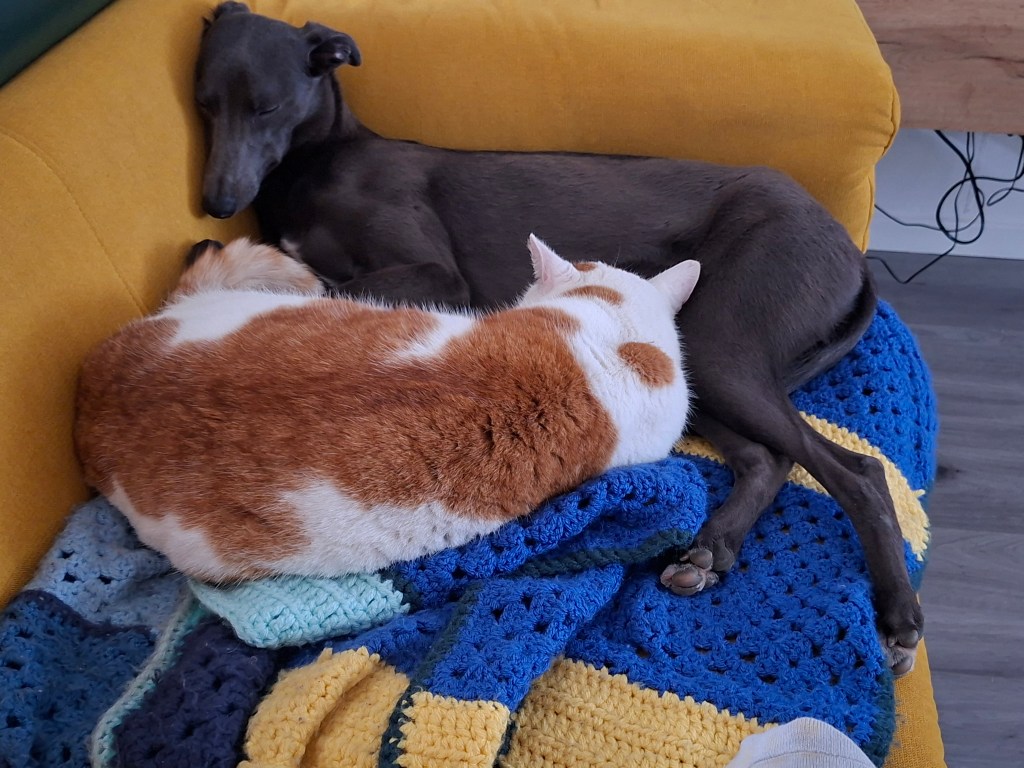
    Het wandelen ging over in een lichte klim opwaarts in het heuvelige deel van het bos van het Sonsbeekpark. De whippet Lex hield de sprint er flink in. Want ook deze vrolijke noot hoort bij de club.

    Na deze flinke ochtendwandeling even een middagdutje doen.

    Welke ervaringen in het leven hebben je het meest geholpen bij je ontwikkeling?

    Het is bewonderingswaardig hoeveel doorzettingsvermogen, kracht en positiviteit deze groep uitstraalt. In de gesprekken leer ik steeds weer hoeveel veerkracht je als mens kunt hebben. Dat geeft me vertrouwen om te zien. En vertrouwen in mijn eigen pad.

    Ode aan de Gift of Life

    De naderende European Transplant Games, de Olympische Spelen voor mensen met een orgaantransplantatie, gaan van start op 21 juni 2026 in Arnhem. Tijdens de ETG laten de sporters zien wat er allemaal weer mogelijk is na het ontvangen van the Gift of Life: een donororgaan – letterlijk een geschenk van leven. De Europese Transplant Games worden dan ook gezien als een ode aan de donors, aan de Gift of Life.

    Moois in het verschiet

    Naast de maandelijkse wandelingen gaan we ons ook voorbereiden op de Europese Transplantatie Spelen.

    Met vragen over de Walk & Talk, kijk op de Walk and Talk Europe

    Alle informatie over de European Transplant Games vind je op www.etg2026.nl

  • ​De boer op voor een gezonde toekomst: waarom voorkomen beter is dan genezen

    ​Preventie van ziekte gaat óók over bewustwording van de impact van resistente bacteriën, de toenemende gevaren van infectieziekten voor onze samenleving én passend gebruik van antibiotica. Dat betekent ook: het tegengaan van tekorten. We gaan dit jaar hiermee weer de boer op! Want voorkomen is nog altijd beter dan genezen.

    Wie zijn wij?

    Wij zijn de leden van Samenwerking Infectieziekten, en in het bijzonder het burger- en patiëntenpanel. Wij maken deel uit van het programma Infectieziekten en Antimicrobiële Resistentie van de Samenwerkende Gezondheidsfondsen (SGF).

    ​Binnen ons panel bevindt zich een groot aantal ervaringsdeskundigen, elk met een eigen expertise en patiëntverhaal. Een van hen is Rinke van den Brink, auteur en gerenommeerd oud-redacteur gezondheidszorg bij de NOS. Ironisch genoeg schreef hij als journalist jarenlang over medische missers, totdat hij er plotseling zelf mee te maken kreeg. Tijdens het symposium ‘Stewardship en AMR’ (Utrecht, november 2025) hadden wij de eer om de presentatie bij te wonen van zijn nieuwste boek: De sluipende pandemie.

    foto: Cees Rutten

    Het verhaal van Rinke

    Wat overkwam Rinke en hoe heeft hij zich eruit weten te redden? Zijn ervaringsverhaal is te bekijken op de website van Samenwerking Infectieziekten. In 2021 deelde hij zijn verhaal uitgebreid bij Brainwash (HUMAN), met een dringende oproep voor minder werkdruk bij artsen, zodat zij meer ruimte hebben om goede zorg te leveren aan patiënten.

    ​Rinke heeft zich inmiddels ontwikkeld tot een expert op het gebied van de impact van infectieziekten, de beperkingen van antibioticagebruik en bacteriofagen als behandelmogelijkheid voor infecties waarbij antibiotica niet meer effectief zijn. Eerlijk is eerlijk: het zijn dikke pillen, maar ze zijn de moeite waard. Ik weet in elk geval welk boek er dit jaar meegaat in mijn koffer op vakantie naar Frankrijk!

    Eerder verscheen ‘Virussen als medicijn’ van zijn hand.

    Samen het verschil maken

    Of het nu gaat om de persoonlijke verhalen van onze panelleden of de grote maatschappelijke vraagstukken rondom resistentie: we moeten de dialoog blijven voeren. Want bewustwording is het krachtigste middel dat we hebben om onze gezondheidszorg ook voor de toekomst veilig te stellen.

    wil

    Medische missers: journalist Rinke van den Brink

    In deze video vertelt Rinke van den Brink over zijn eigen ervaring met een medische misser en pleit hij voor structurele verbeteringen in de zorg


    Ik bijdragen aan meer bewustzijn over de ernst van infectieziekten – Rinke van den Brink

    Zijn ervaringsverhaal is te zien op de website van Samenwerking Infectieziekten

    Goed om te weten: